
RECOVERY DOES NOT DEPEND ON ONE ORGANIZATION
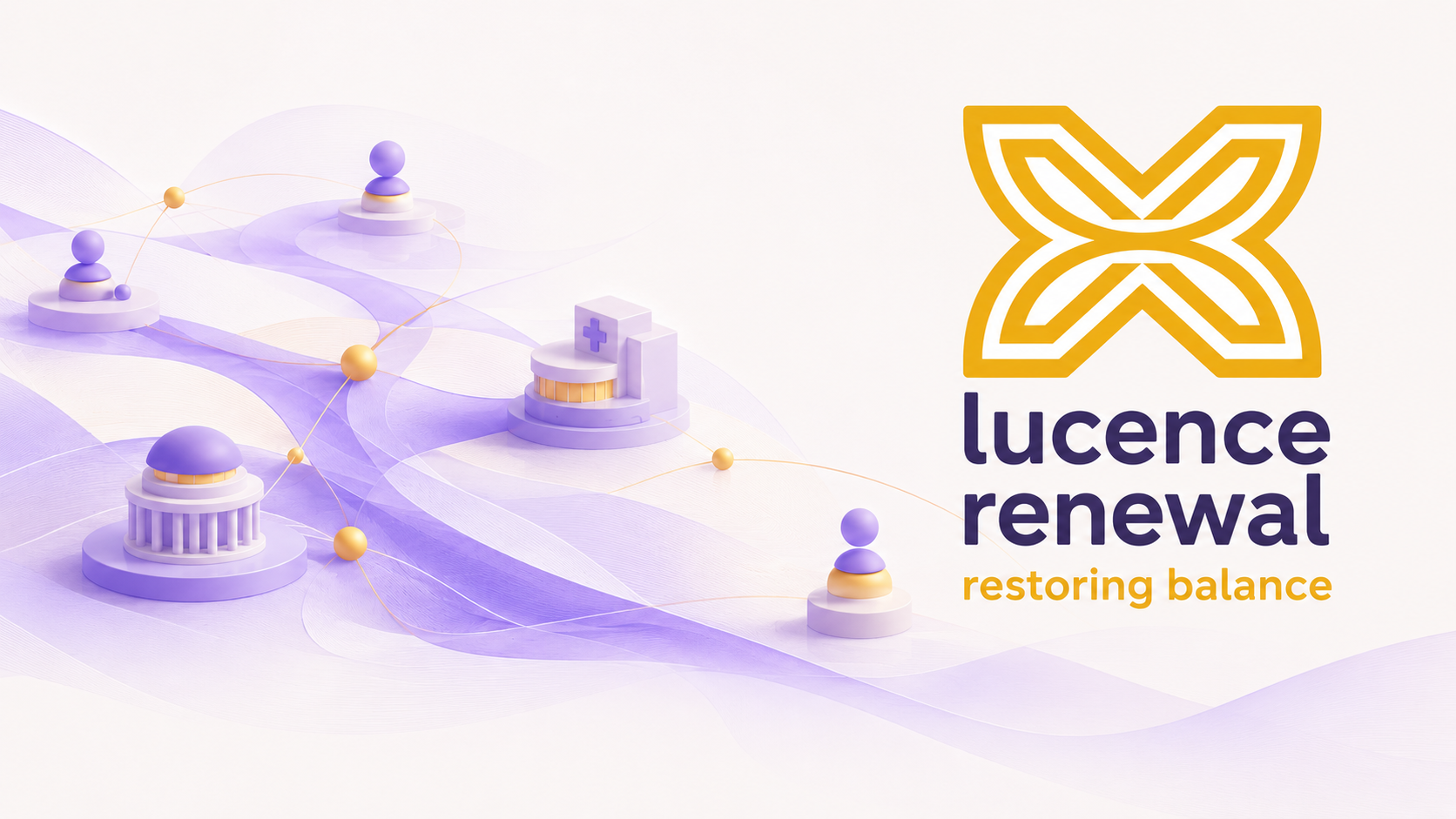
Recovery is strengthened by relationships.
That includes relationships between individuals and the people supporting them, as well as relationships among organizations working with shared purpose and clear responsibilities.
· A hospital may respond during an immediate health crisis.
· A behavioral health provider may deliver treatment.
· A peer recovery specialist may help someone rebuild trust and navigate the next step.
· A community or harm reduction organization may provide education, practical resources, and life-saving services.
· A family may offer encouragement, transportation, stability, and connection.
· An employer may help preserve meaningful employment while supporting recovery.
· A government agency or funder may make these services possible through thoughtful investment.
Each contribution matters.
Yet excellent work performed by individual organizations does not automatically create continuity.
Continuity must be intentionally built. It requires:
· Reliable referral processes.
· Clear communication.
· Practical workforce preparation.
· Shared understanding of roles.
· Effective supervision.
· Appropriate accountability.
· Consistent follow-up.
It also requires a commitment to helping individuals remain connected as they move between services, organizations, and stages of recovery.
The individual navigating recovery is not simply moving through the system. That person is an active participant within the recovery ecosystem.
When individuals have access to practical navigation tools, workflow applications, digital resources, and brief learning opportunities, they may be better prepared to understand next steps, identify barriers, participate in decisions, and remain connected to support. It is our belief that:
· Professionals perform more consistently when they receive practical training, coaching, supervision, and workflow support.
· Organizations become stronger when implementation reinforces collaboration rather than isolated activity.
· Systems improve when funding supports continuity, measurement, and long-term sustainability instead of short-term activity alone.
· Recovery ecosystems become stronger when every participant understands not only their own role, but also how their work connects with the people and organizations around them.
No single organization can accomplish that alone.
Together, connected individuals, professionals, organizations, and systems can create a recovery ecosystem that is easier to navigate, more consistent to deliver, and better equipped to support long-term recovery.
At LucenceRenewal, we believe practical training, digital tools, workflow applications, and implementation support can strengthen every level of that ecosystem.
WHICH PARTNERSHIP HAS HAD THE GREATEST IMPACT ON RECOVERY SUPPORT IN YOUR COMMUNITY?
www.lucencerenewal.com; info@lucencerenewal.com
